Autism Handprint: A Typeface That Celebrates Connection
Sometimes, a project needs more than just legible text; it needs to speak directly to the heart. For initiatives centered around community support, neurodiversity, and understanding, standard corporate typefaces often fall flat. They lack the warmth and human touch required to convey a message of unity. This is where the power of custom design assets comes into play, specifically those that incorporate symbolic imagery directly into the letterforms. The Autism Handprint font does exactly this, transforming the alphabet into a celebration of awareness and love, making it an invaluable tool for advocates, educators, and creative professionals alike.
Visualizing Unity Through Typography
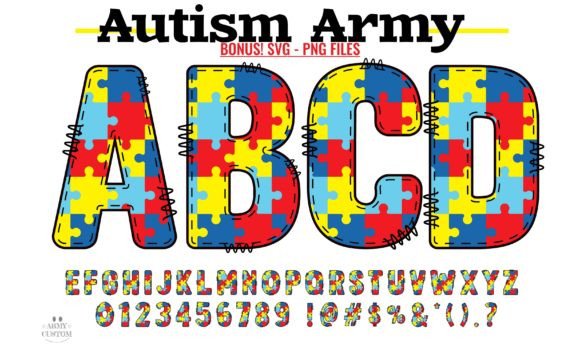
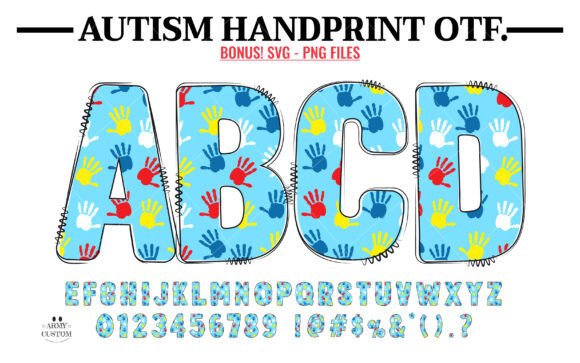
At its core, the Autism Handprint typeface is a bold display font designed to make an immediate impact. Unlike traditional serif font or sans serif font families that prioritize neutrality, this creative font utilizes a vibrant, hand-painted aesthetic. Each character is constructed with a playful, rounded structure, filled with colorful handprints. This design choice is intentional and deeply symbolic. The handprint is a universal sign of support, presence, and the unique mark every individual leaves on the world. By integrating this symbol into the actual text, the font ensures that the message of autism awareness is woven into the very fabric of your design.
From a visual communication standpoint, the texture of the font adds a layer of tactile realism that digital designs often lack. It mimics the imperfect, organic nature of actual paint, which helps bridge the gap between digital screens and physical reality. For a brand identity or marketing campaign, this texture communicates authenticity. It tells the audience that the project was created with care and human connection in mind, rather than generated by an algorithm. The color palette—often associated with the rainbow spectrum used in neurodiversity advocacy—further enhances this, ensuring that your headers and titles pop with energy and optimism.
Practical Applications for Advocacy and Education
The versatility of a display font like this extends far beyond simple document headers. For educators and school administrators, this font is a game-changer for classroom decor. Imagine bulletin boards that feature student names or motivational quotes written in this eye-catching style. It sets a tone of inclusivity from the moment students walk through the door. Furthermore, for special education teachers or therapists creating custom worksheets, the visual distinctiveness of the letters can aid in letter recognition and engagement, turning a mundane learning task into a colorful activity.
For event planners and non-profit organizers, the font serves as a cornerstone for Autism Awareness Month projects. When designing posters, banners, or t-shirts, you need a typeface that grabs attention from a distance. The bold weight and unique fill of the Autism Handprint font ensure high readability on merchandise. Whether it’s printed on a cotton tote bag or a vinyl banner at a fundraising walk, the design maintains its integrity. The included bonus SVG and PNG files offer additional design assets, allowing creators to incorporate the handprint elements into larger compositions or use them as standalone icons in their social media graphics and web design layouts.
Integrating the Font into Professional Branding
While this is undoubtedly a specialty font, it has significant applications for small business owners and entrepreneurs operating within the care, wellness, and education sectors. If you run a sensory-friendly play center, a tutoring service, or a therapy practice, your branding needs to reflect your values. Using a generic script font or handwritten font might feel too casual, while a rigid corporate font might feel too cold. This typeface strikes a balance—it is professional yet deeply personal.
When applying this to logo design, it is best used for the main logotype or a secondary tagline. Because it is a display font, it commands attention. However, for body text on a website or in an editorial layout, you will need to practice effective font pairing. Pairing the Autism Handprint with a clean, modern sans serif font creates a harmonious hierarchy. The display font draws the eye to the headline, establishing the emotional tone, while the sans serif font provides the necessary readability for longer paragraphs of text. This combination ensures that your marketing assets look polished and professional, rather than cluttered or overwhelming.
Design Considerations and Commercial Usage
When working with a premium font of this nature, it is important to consider the context of your design. Because the letters are filled with detailed textures, they perform best against solid, contrasting backgrounds. A busy background image can clash with the handprint details, reducing the effectiveness of the message. For packaging design or invitations, consider using a solid color block or a subtle gradient behind the text to ensure the typography remains the focal point.
Another key factor is commercial licensing. If you are a designer creating assets for a client, or a small business owner selling merchandise, you must ensure that the font license covers commercial use. High-quality font bundles often include a license that allows for print-on-demand (POD) and digital products, but it is always the creator's responsibility to verify the terms. This ensures that your advocacy campaigns and business ventures are legally sound.
Ultimately, the goal of any design asset is to facilitate communication. In the realm of advocacy and awareness, the visual style is not just decoration; it is the message itself. By choosing a typeface that embodies the spirit of the cause—colorful, hands-on, and united—you create a stronger connection with your audience. The Autism Handprint font offers a unique way to inject personality and purpose into your work, turning standard text into a visual statement of support and celebration.